
Yorkshire Coast & Wolds
Primary Care Network
A fresh look at Health

A fresh look at Health
Cancer screening is the process of checking people who have no symptoms for abnormal cells that may become cancer. A number of screening tests have shown that they can reduce the chance of dying from that cancer through early detection.
Early diagnosis is the key to improving survival outcomes. Where cancers are detected early, an increased range of treatment become are available -thus improving long-term survival and quality of life. The NHS has a wide range of interventions available designed to increase the proportion of cancers that are diagnosed at an early stage.
Primary care has a vital role to play in the efforts to improve outcomes by improving referral practices for suspected cancers. Key to these efforts will be the encouragement of uptake for national cancer screening programmes. Cancer Alliances are active at local level in seeking to achieve the national objectives and we will support those efforts.
The achievement of 75% early diagnosis requires a shift in gear and cannot be achieved through more of the same. Yorkshire Coast and Wolds PCN will support the objective through collaboration with a variety of organisations at all levels of the health system and by working with practices and their patients.

Learn about possible of bladder and kidney cancer, important changes to notice and when to contact your GP practice. Find reliable NHS advice about diagnosis, investigations, treatment and available support.
Learn more about bowel cancer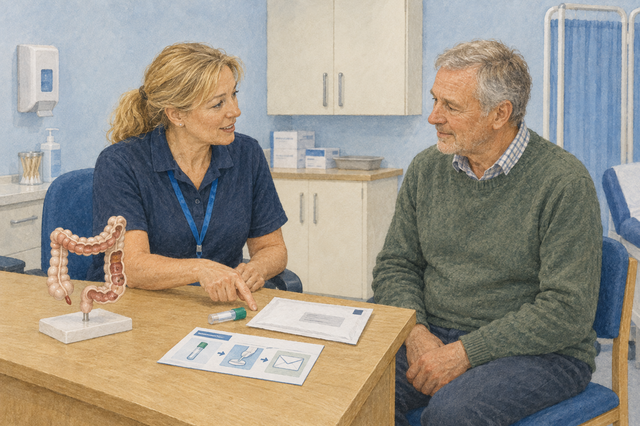
Find out about bowel cancer symptoms, NHS bowel screening and the home testing kit. Learn why taking part matters, when to seek medical advice and where to find clear information and support.
.png?h=0da2317c2c9ee8b7e357f663866dfa9b)
Learn how NHS breast screening uses mammograms to find cancer at an early stage. Find out who is invited, what happens during an appointment and where to get further advice or support.
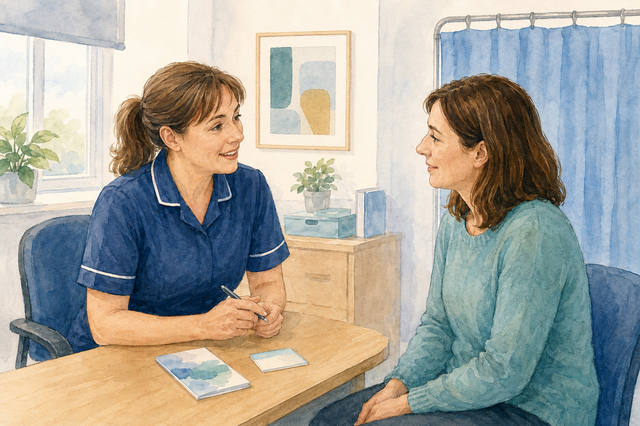
Find out how NHS cervical screening helps prevent cervical cancer by identifying cell changes early. Learn who is invited, what the test involves, when results arrive and where to find additional guidance.
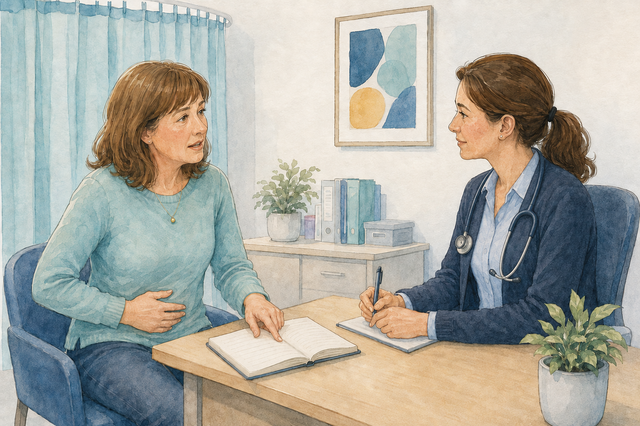
Learn about the main types of gynaecological cancer and the symptoms that should be checked. Find trusted information about diagnosis, treatment and when to contact your GP practice for medical advice.
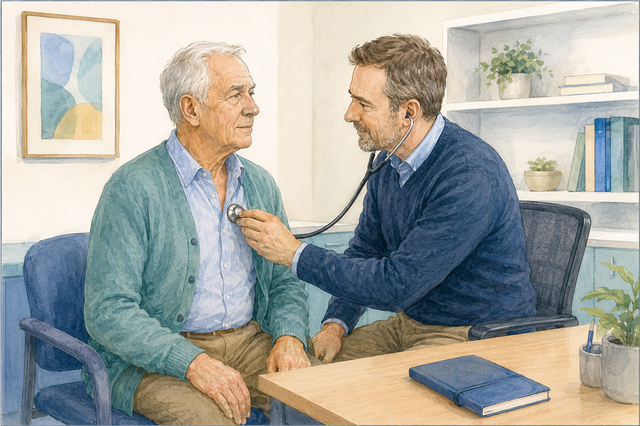
Find reliable information about lung cancer, including persistent symptoms and changes that should not be ignored. Learn when to contact your GP practice and how early investigation can improve treatment options.
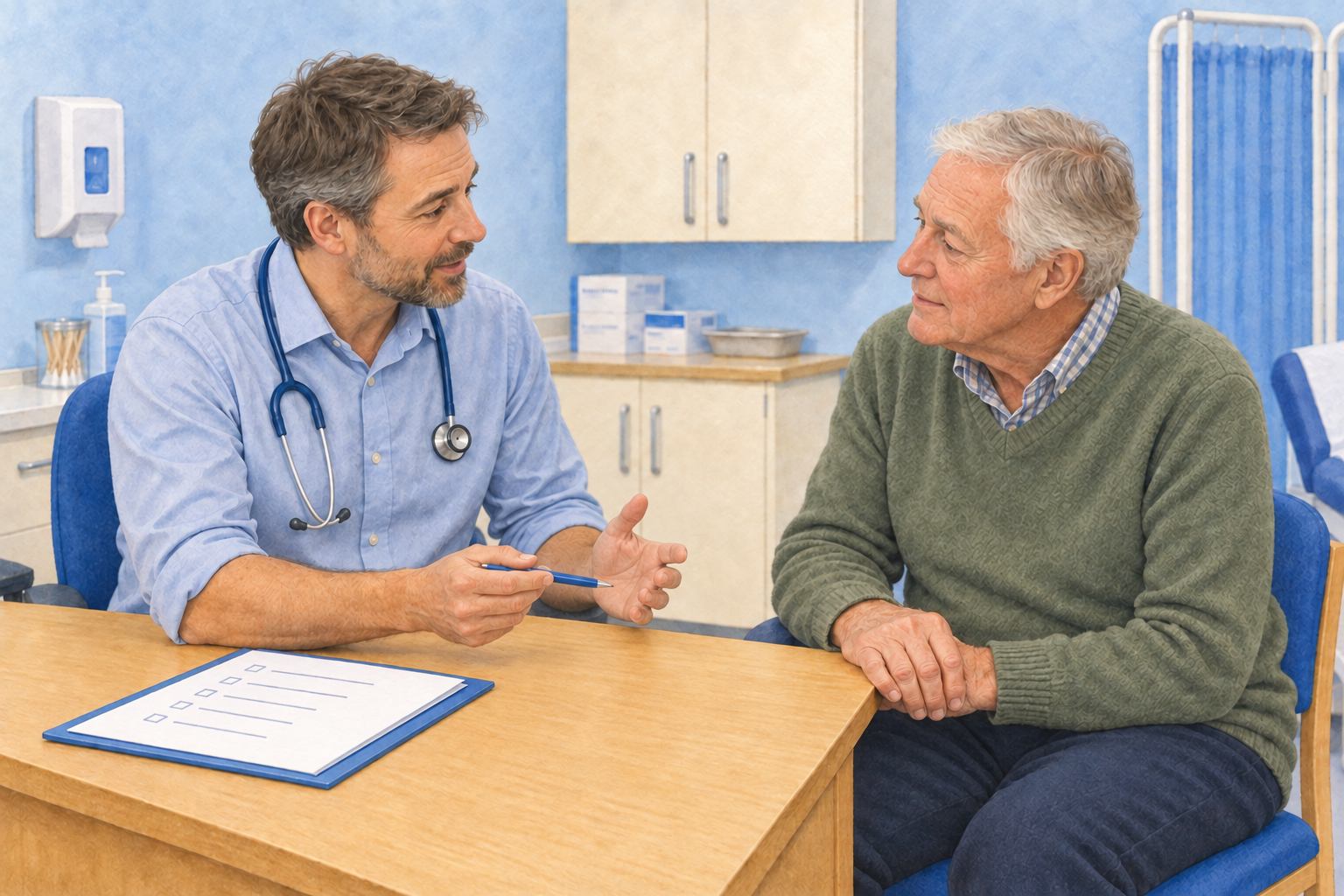
Learn about prostate and testicular cancer, possible warning signs and changes that should be investigated. Find NHS guidance about testing, diagnosis and treatment, together with sources of practical help and support.